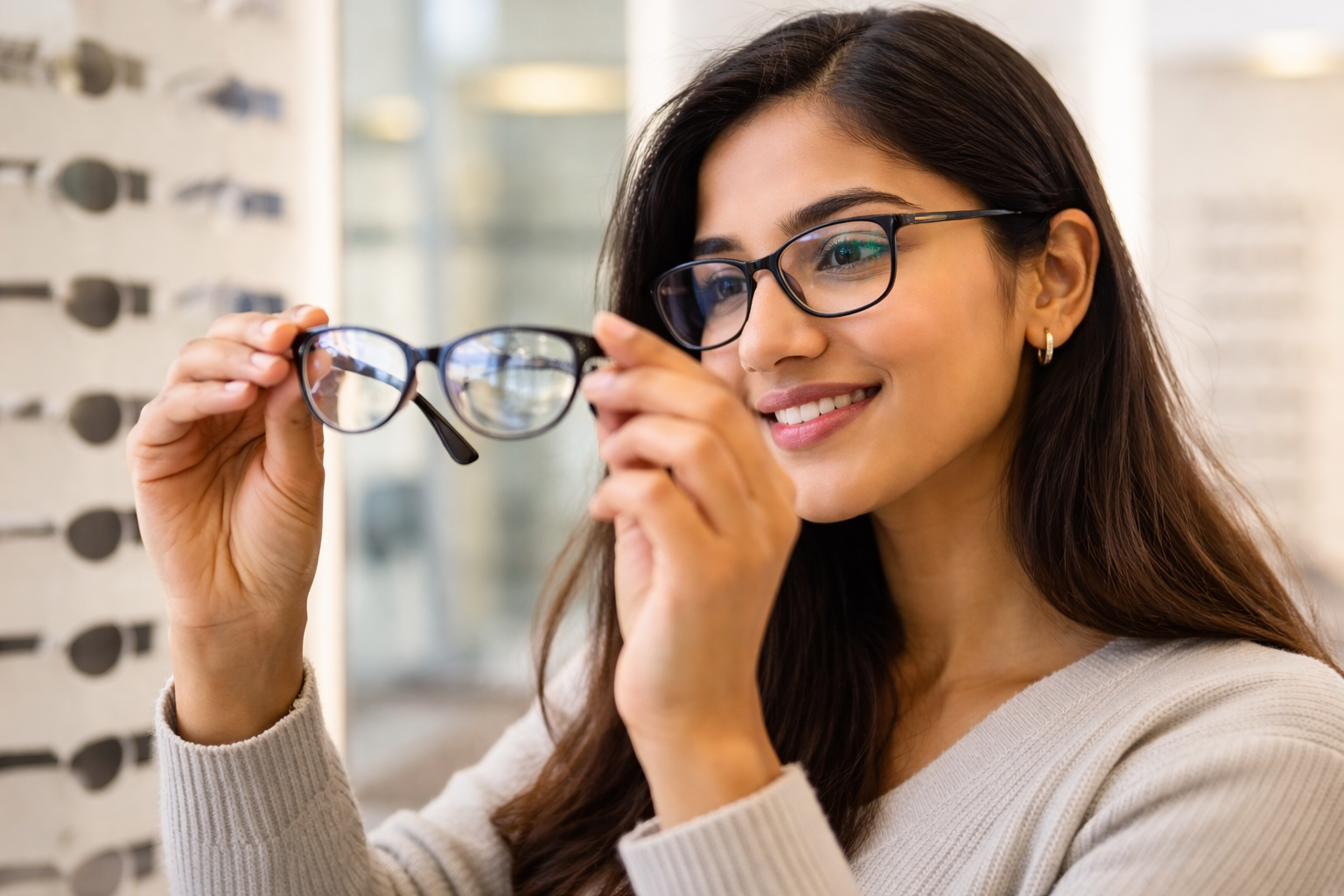
If you are a parent in Guelph, chances are you have already noticed how quickly kids seem to outgrow glasses. A pair that fit well at the start of the school year may feel tight, loose, or worn out far sooner than expected. For many families, this cycle can feel frustrating and expensive.
The reality is that kids outgrowing glasses is usually less about the glasses themselves and more about how children grow and live day to day. Understanding the reasons behind it can make planning easier and help parents avoid buying more than they actually need.
Growth Does Not Follow a Predictable Schedule
One of the biggest reasons kids outgrow glasses quickly is that growth rarely happens gradually. Children often experience short bursts of growth, especially in elementary and early middle school years. Facial features change during these periods, sometimes in just a few months.
Nose bridges can rise or widen, and the distance behind the ears can change. When this happens, frames that once fit comfortably may start to pinch, slide, or sit unevenly. To parents, it can feel sudden, but it is a normal part of development.
This unpredictability is why planning kids eyewear often feels harder than planning adult eyewear.
Everyday Wear Adds Up Faster Than You Think
Kids use glasses differently than adults. Glasses are taken on and off multiple times a day, placed into backpacks, worn during recess, and sometimes forgotten on desks or playgrounds. Even when children are careful, daily wear creates stress on frames.
Over time, arms loosen, frames bend slightly, and lenses pick up scratches. These small changes can affect how glasses sit on a child’s face, making them feel uncomfortable even if the size technically still works.
For parents, this can look like kids outgrowing glasses, when in reality the frames have simply been through a lot of everyday use.
School Routines Change How Glasses Are Used
As kids move through school, their routines change in ways that affect eyewear. Younger children may spend most of their day in one classroom, while older kids move between rooms, participate in sports, and spend more time outdoors.
In Guelph, seasonal changes also play a role. Outdoor play, winter gear, and summer activities all affect how glasses are handled and stored. A pair that worked well during a quiet school routine may struggle once schedules become busier.
These shifts are part of growing independence, but they also mean glasses are exposed to more wear and more opportunities for damage.
Why Replacement Often Feels So Frequent
When you combine growth spurts, daily wear, and changing routines, it becomes clear why kids glasses replacement cycles can feel short. This does not mean parents are planning poorly or that kids are being careless.
It means that children live active, changing lives. Glasses are part of that movement, not separate from it.
Understanding this helps reframe the issue. Instead of asking how to stop kids from outgrowing glasses, it can be more helpful to think about how to plan around that reality.
Planning Kids Eyewear Without Overbuying
Planning does not mean buying multiple expensive pairs or trying to predict exact growth timelines. It means making thoughtful choices based on how your child actually lives.
Some parents focus on frames that allow for small fit adjustments. Others consider a simple backup option so a broken pair does not turn into an emergency. Neither approach is about excess. Both are about reducing stress.
Exploring kids glasses in Guelph (https://lensandframes.ca/guelph/kids-glasses/) locally can help parents see options designed with real use in mind, rather than ideal conditions.
Setting Realistic Expectations Helps
One of the most helpful planning tools is realistic expectation. Most kids will outgrow or wear out glasses faster than adults do. Accepting that fact can make decisions feel less frustrating.
Instead of aiming for glasses to last indefinitely, many parents aim for glasses that last well for the stage their child is in right now. As routines change, plans can change too.
Learning about prescription glasses in Guelph (https://lensandframes.ca/guelph/prescription-glasses/) from a local provider can also help parents understand what is typical for kids in similar age groups and lifestyles.
Flexibility Matters More Than Perfection
No plan will eliminate the need for replacement entirely. Growth and activity guarantee some turnover. The goal is not perfection, but flexibility.
Parents who feel most confident about kids eyewear decisions are often those who allow room for change. They plan enough to avoid constant last-minute replacements, but not so much that they feel locked into unnecessary purchases.
That balance looks different for every family, and that is okay.
Getting Support Makes Planning Easier
For many parents, the hardest part is simply knowing what is reasonable. Talking through your child’s routine, activity level, and growth stage with someone local can bring clarity.
Visit Lens and Frames in Guelph (https://lensandframes.ca/guelph/) to get in-store support planning kids eyewear that fits your child’s current stage without overbuying.