As winter fades and spring arrives in Guelph, many people begin to notice familiar symptoms such as itchy eyes, redness, and excess tearing. Seasonal allergies can affect eye comfort as much as they affect the nose and throat. Understanding how spring conditions influence your eyes can help you protect your vision and reduce irritation during allergy season.
Spring eye care in Guelph often focuses on managing pollen exposure. Trees, grass, and other plants release pollen into the air as temperatures rise. When pollen particles come into contact with the eyes, they can trigger allergic reactions that cause discomfort and inflammation. For people who spend time outdoors, these symptoms may appear quickly during peak pollen periods.
Common Signs of Eye Allergies
Eye allergies often produce symptoms that are easy to recognize. Many people experience itchy eyes, watery discharge, redness, and mild swelling around the eyelids. These symptoms can appear suddenly when pollen levels increase outdoors.
Watery eyes are the body’s natural response to irritation. However, excessive tearing combined with itching and redness is often linked to seasonal eye irritation rather than infection. People may also notice blurred vision or sensitivity to light during allergy flare ups.
Rubbing the eyes can make symptoms worse. Although it may provide temporary relief, rubbing can increase inflammation and allow allergens to spread across the surface of the eye.
Although eye allergies are common, they are sometimes confused with other eye conditions. Dry eye syndrome, for example, can cause irritation, redness, and fluctuating vision. Allergies typically cause more itching, while dry eye symptoms often involve a gritty or burning sensation.
Why Spring Conditions Affect Eye Comfort
Guelph’s spring season creates conditions that can worsen eye allergies. Rising temperatures allow plants to release pollen into the air, while windy days can spread those particles across the region. When pollen enters the eyes, it interacts with the immune system and triggers an allergic response.
Outdoor activities can increase exposure. Gardening, walking, cycling, or exercising outside during peak pollen hours can make eye irritation more noticeable. Even brief exposure can lead to itchy or watery eyes for individuals who are sensitive to allergens.
Airborne pollen is not the only trigger. Dust, pet dander, and environmental pollutants can also contribute to seasonal eye discomfort. When these irritants combine with spring pollen levels, symptoms may become more persistent.
Urban environments can also affect eye comfort. Traffic pollution and dry air may irritate the eyes further, especially for people who already experience mild dryness. These factors can amplify symptoms of seasonal eye irritation during spring.
Practical Ways to Reduce Eye Irritation
Protecting your eyes during allergy season begins with limiting exposure to airborne allergens. Wearing sunglasses outdoors can help block pollen from reaching the eyes. Wraparound styles provide additional protection by reducing airflow around the eye area.
It can also help to wash your face and eyelids after spending time outdoors. This removes pollen particles that may have settled on the skin and eyelashes. Changing clothing after outdoor activities can further reduce indoor exposure.
Keeping windows closed during high pollen days may also reduce allergens inside the home. Air conditioning systems with clean filters can help maintain indoor air quality and limit exposure to airborne irritants.
Artificial tears are another option for managing mild irritation. Lubricating drops can help flush allergens from the eye surface and maintain moisture on the tear film. Many people find relief when these drops are used several times throughout the day.
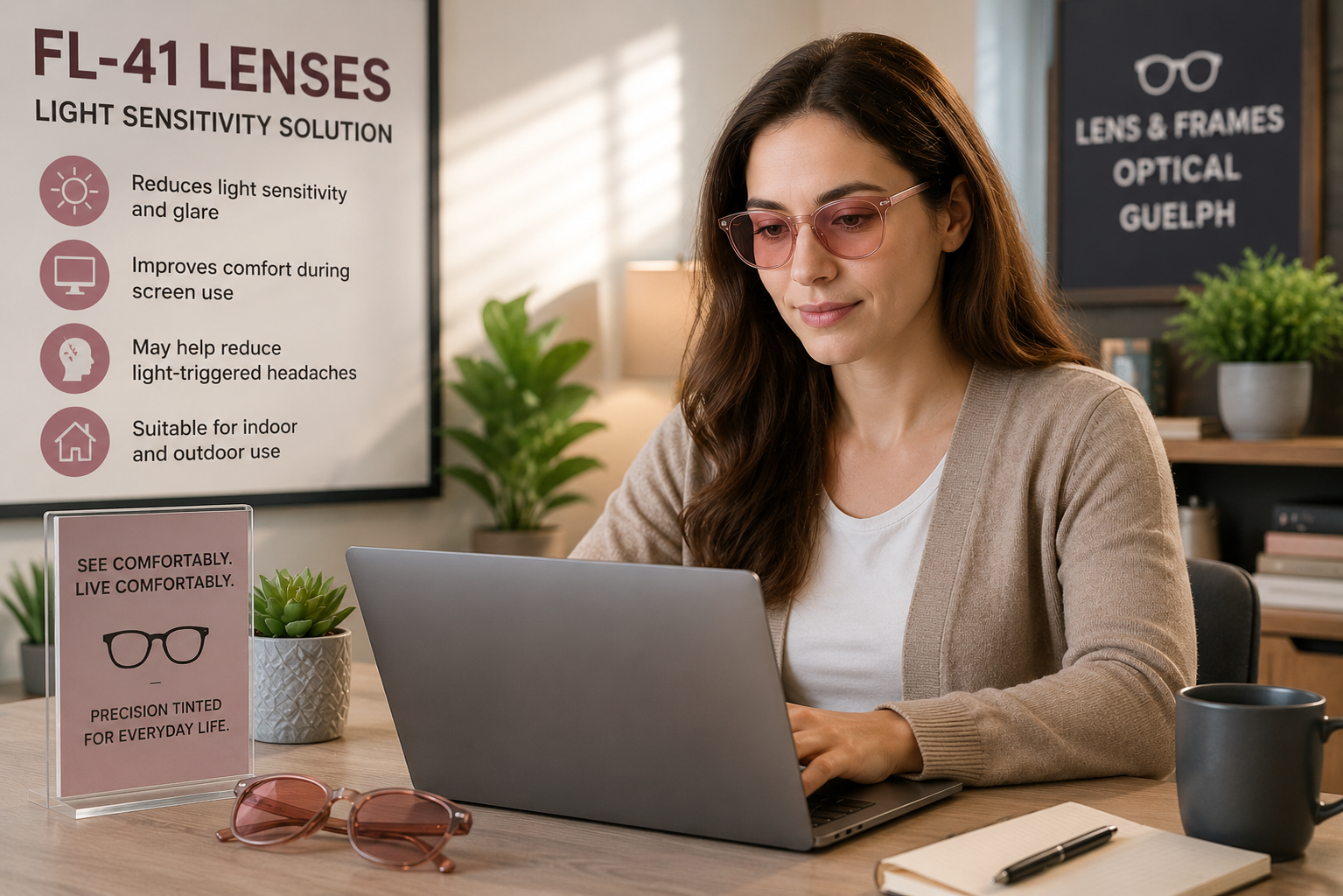
Some people benefit from specialized eyewear designed to reduce irritation and maintain moisture around the eyes. Options such as dry eye eyewear in Guelph may provide additional comfort during allergy season by protecting the eyes from wind and airborne particles.
Distinguishing Allergies From Dry Eye
Seasonal eye irritation and dry eye syndrome can feel similar, but they have different causes. Allergies occur when the immune system reacts to substances such as pollen. This reaction often produces itching, redness, and watery discharge.
Dry eye, on the other hand, occurs when the eyes do not produce enough tears or when tears evaporate too quickly. This condition is more likely to cause burning, a gritty sensation, and fluctuating vision.
In some cases, people experience both conditions at the same time. Spring allergies can aggravate existing dry eye symptoms, especially if the eyes are already sensitive or exposed to environmental irritants.
A professional eye exam can help determine the underlying cause of irritation and guide treatment options.
When Symptoms May Require Professional Care
Most cases of seasonal eye irritation improve with simple protective steps. However, persistent symptoms may indicate a more significant issue. Severe redness, blurred vision, or ongoing discomfort should not be ignored.
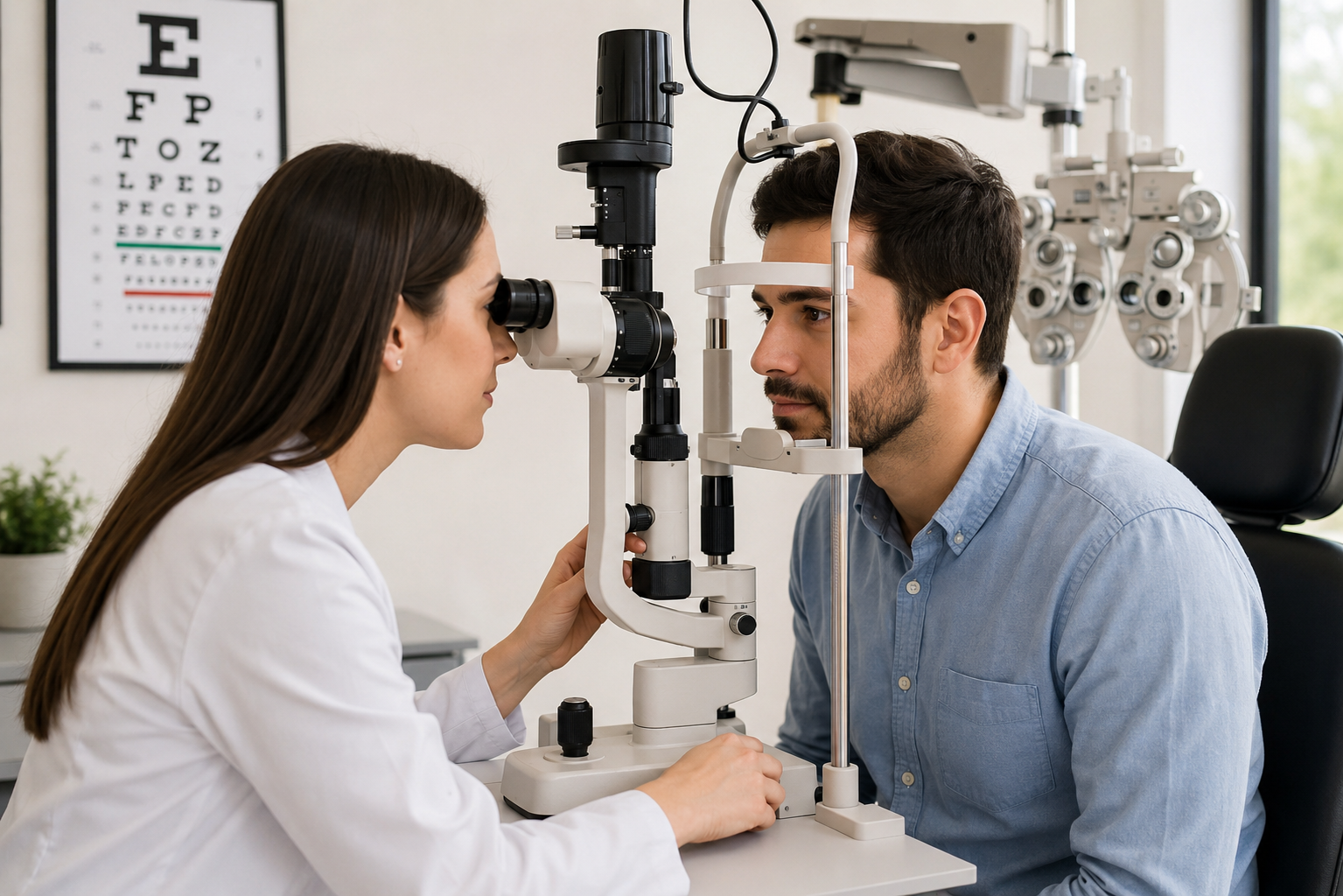
An eye care professional can help determine whether symptoms are caused by allergies, dry eye, or another condition. A comprehensive eye exam in Guelph allows an optometrist to evaluate eye health and recommend appropriate treatment options.
Book your eye exam in Guelph.
Professional guidance can help reduce inflammation and improve long term eye comfort. Treatment options may include prescription eye drops, specialized eyewear, or recommendations for managing environmental triggers.
Many residents rely on Lens & Frames Optical Guelph for guidance on managing seasonal eye concerns. Local eye care professionals understand how regional pollen patterns affect eye health and can recommend solutions tailored to individual needs.
If spring allergies are affecting your vision or comfort, consider taking the next step toward professional care. You can contact Lens & Frames Optical Guelph to ask questions, learn about available services, or schedule an appointment.
Visit Lens & Frames Optical Guelph today.