Many people wait until their vision becomes noticeably worse before scheduling an eye exam. However, eye health changes often happen gradually, making them difficult to notice at first. Regular vision checks can help identify small issues before they begin affecting daily life, work performance, or long-term eye health.
Whether you wear glasses or have never needed vision correction before, paying attention to common symptoms can help you recognize when it may be time to schedule an eye exam in Guelph.
Blurry Vision During Daily Activities
Blurry vision is one of the most common signs that you may need an eye exam. Some people notice difficulty reading small text, while others struggle to focus on road signs, screens, or distant objects. In many cases, vision changes develop slowly over time.
You may begin adjusting your habits without realizing it. Sitting closer to the television, increasing screen brightness, or squinting to read can all indicate that your prescription has changed.
Blurry vision can also contribute to reduced productivity at work or school. Tasks that once felt easy may suddenly require more effort and concentration. An annual eye exam can help identify these changes early and determine whether updated vision correction is needed.
For individuals who already wear glasses, outdated prescriptions can increase eye strain and make daily activities more difficult. Updated prescription glasses in Guelph may help improve visual comfort and clarity.
Frequent Headaches and Eye Strain
Headaches related to vision problems are often caused by the eyes working harder to focus. This can happen when reading, driving, using digital devices, or performing close-up tasks for extended periods.
Eye strain symptoms may include:
- Headaches around the forehead or temples
- Tired or aching eyes
- Difficulty focusing
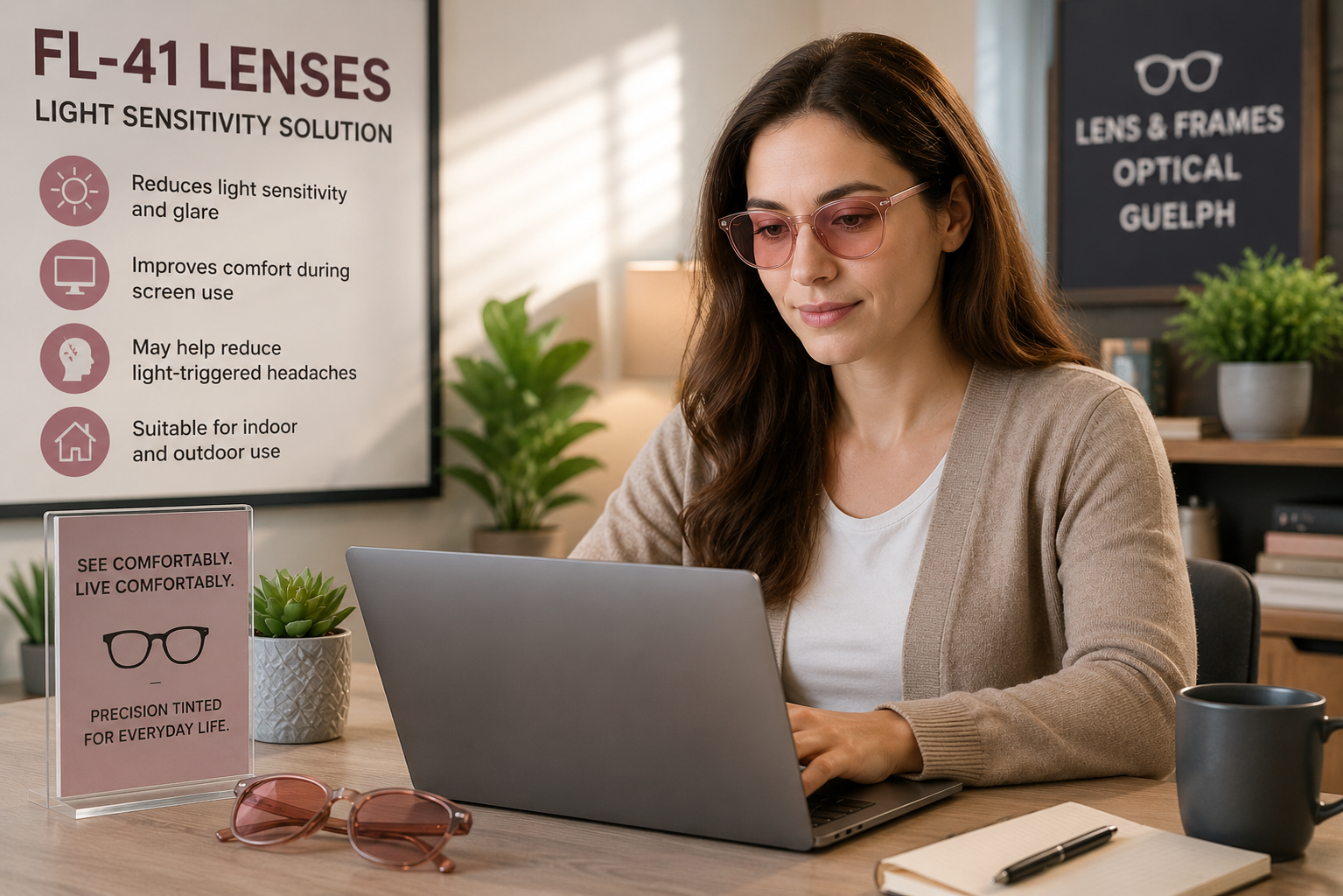
- Sensitivity to light
- Neck and shoulder tension after screen use
Digital eye fatigue has become increasingly common due to prolonged screen exposure. Phones, computers, and tablets require constant focusing, which can place stress on the eyes throughout the day.
People who spend long hours working on screens may not realize that their discomfort is related to vision changes. Preventative vision care helps identify whether symptoms are connected to prescription changes, focusing issues, or other eye health concerns.
Scheduling regular eye exams can help reduce ongoing discomfort and support healthier visual habits over time.
Difficulty Seeing Clearly at Night
Night vision problems are another common sign that it may be time for an eye exam. You may notice glare from headlights, halos around lights, or difficulty seeing clearly in dim environments.
These symptoms can make nighttime driving more stressful and may reduce confidence behind the wheel. Some people avoid driving at night entirely because their vision no longer feels reliable after dark.
Changes in night vision can occur gradually and are sometimes linked to prescription changes, aging, or underlying eye conditions. Eye health monitoring helps detect these changes early and allows for timely treatment or updated corrective lenses.
If you regularly experience discomfort while driving at night, it is important not to ignore the issue.
Dry, Irritated, or Tired Eyes
Dry eyes are a common concern for people of all ages. Environmental factors, screen use, seasonal conditions, and indoor heating or air conditioning can all contribute to irritation.
Common symptoms of dry eyes include:
- Burning or stinging sensations
- Redness or irritation
- Excessive tearing
- Gritty sensations in the eyes
- Eye fatigue after reading or screen use
Many people assume these symptoms are temporary, but persistent irritation may indicate an underlying issue that requires professional evaluation.
Extended screen use can also reduce blinking frequency, which contributes to dryness and discomfort. Individuals working in office settings often experience symptoms that worsen throughout the day.
In some cases, specialized products such as dry eye eyewear in Guelph may help improve comfort and reduce environmental irritation.
Changes in Prescription or Vision Stability
Vision can change gradually over time, even for people who have worn the same prescription for years. Small changes may seem manageable at first but can eventually affect reading, driving, and everyday comfort.
Signs that your prescription may need updating include:
- Squinting frequently
- Holding devices closer to your face
- Needing brighter lighting to read
- Difficulty switching focus between distances
- Increased eye fatigue during routine tasks
Children and teenagers may also experience prescription changes as their eyes continue developing. Adults may notice age-related vision changes that affect reading or close-up work.
Routine eye exams help ensure that prescriptions remain accurate and that changes are addressed before they begin affecting quality of life.
Eye Exams Support More Than Vision
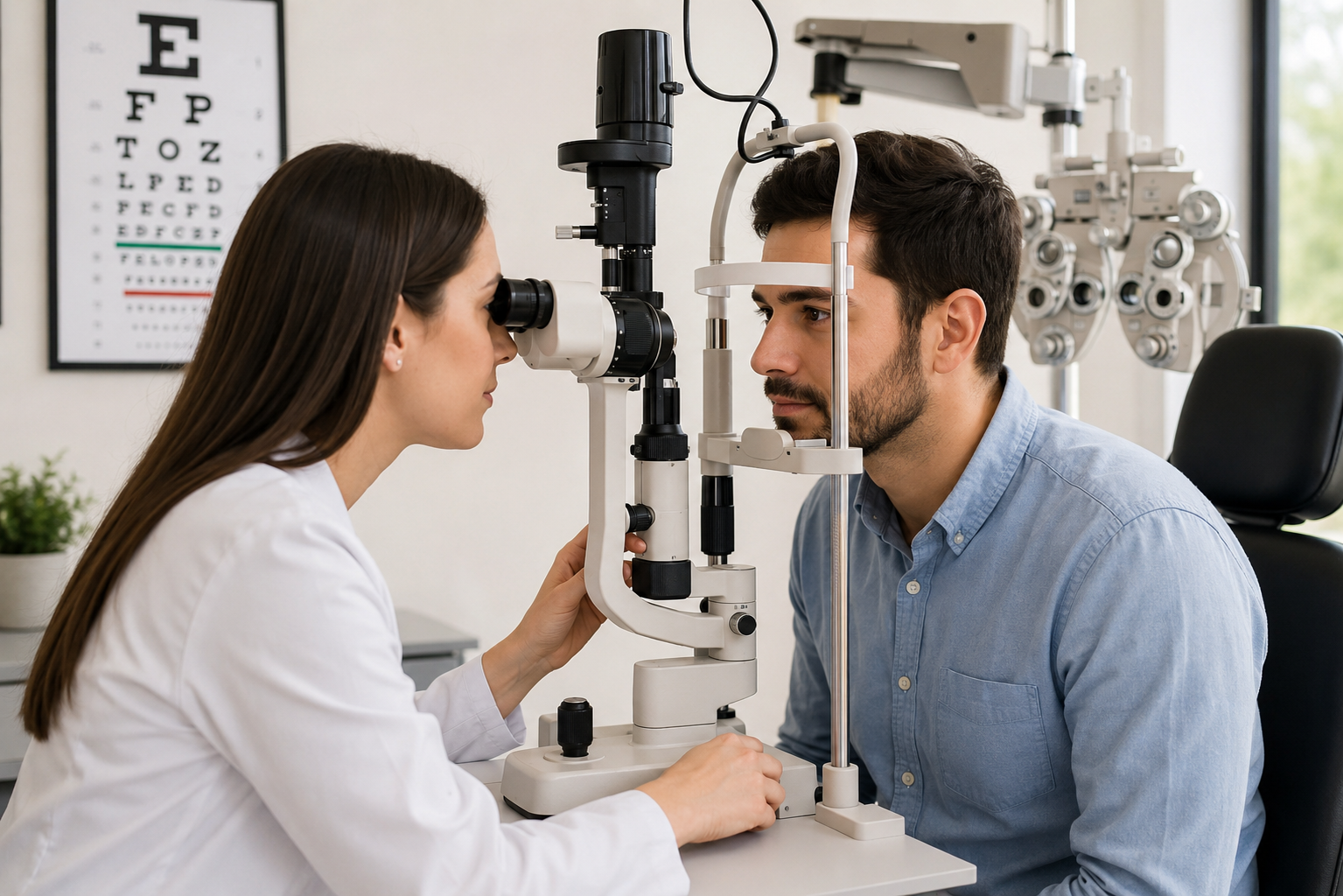
Many people associate eye exams only with glasses or contact lens prescriptions. However, comprehensive exams also help monitor overall eye health.
Eye exams may help detect early signs of conditions such as:
- Glaucoma
- Cataracts
- Macular degeneration
- Diabetic eye disease
- High blood pressure-related eye changes
Because some eye conditions develop without noticeable symptoms, routine exams are an important part of preventative healthcare. Early detection can improve treatment outcomes and help preserve long-term vision.
Regular eye health monitoring becomes especially important as people age or if they have family histories of eye disease.
How Often Should You Get an Eye Exam?
The recommended frequency for eye exams can vary depending on age, health history, and vision needs. Many adults benefit from annual eye exams, especially if they wear corrective lenses or spend significant time using digital devices.
Children should also receive regular eye exams to support healthy visual development and learning. Undetected vision problems can sometimes affect reading ability, concentration, and classroom performance.
For older adults, routine exams become increasingly important because age-related eye conditions become more common over time.
A qualified optometrist can recommend an exam schedule based on your individual needs and symptoms.
Prioritizing Preventative Vision Care in Guelph
Vision changes are not always dramatic or sudden. Small symptoms such as headaches, blurry vision, eye strain, or dry eyes can gradually become part of daily life if left unaddressed.
Scheduling routine exams supports preventative vision care and helps identify potential concerns before they become more serious. Whether you are noticing new symptoms or simply due for a routine checkup, regular eye exams are an important step in protecting long-term eye health.
At Lens & Frames Optical Guelph, patients can access comprehensive vision care and personalized support for changing eye health needs.
If you have been experiencing vision changes or discomfort, contact Lens & Frames Optical Guelph to schedule an appointment and Book your eye exam in Guelph.